
|

WordPress otomatik güncelleştirmeleri kapatma

Bir wordpress geleneği “başımıza iş çıkartma”.. 3.7 ile birlikte arkaplanda otomatik güncelleştirmeler eklendi. Günlük blogger için güvenlik açısından kullanışlı özellik olsa da çoğunluk için unutulduğu takdirde başa bela olacaktır. Yeni sürümle değişien core fonksiyonlar, çalışmayan tema & eklentiler, sağda solda hatalar, hatta belkide tamamen sitenin çökmesine sebep olabilir. Arkaplan güncelleştirmelerini kapatmak için wp-config’e eklemeyi unutmamak gerek:

define( 'AUTOMATIC_UPDATER_DISABLED', true );

Yoksa günün birinde resimdeki gibi bir mail geliverir ve yaptığınız tüm değişiklikleri kaybedebilir, veya çalışmayan, eksik çalışan bir siteyle karşılaşabilirsiniz.
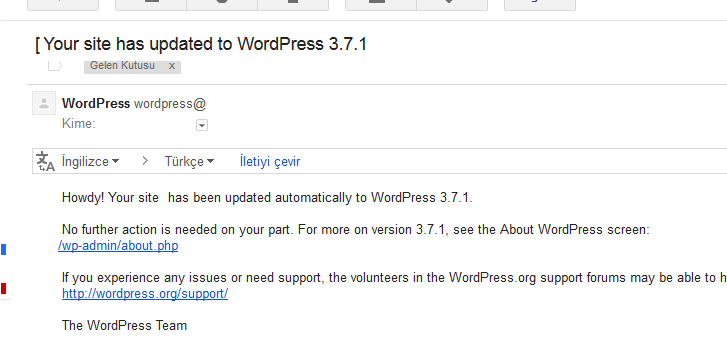
sdsdUntitled-1

Similar Posts

  • .So what ?

    As you know, 3-4 letter domains are hard to come by these days, even with not so popular .tlds. “So”, I had a 3 letter a .so domain to use mainly as an url shortener. FYI: .so is the tld for Somalia, the source of inspiration for the dankest memes of the internetz. Apart from…

  • Using spam comments for SEO

    Long story short: BAD IDEA, don’t. It’s widely recommended to edit some of the spam comments -removing the spam url and editing comment content to something more related- and approving them in order to gain you some SEO advantage.It’s supposed to give you SEO advantage if your article has more comments (You could fake it…

  • |

    Extending password protected posts with name and email

    If you want to add name email or any additional fields in addition to password for protected posts, see the steps below: /****************** custom protected post form *****/ add_filter( ‘the_password_form’, ‘custom_password_form’ ); function custom_password_form() { global $post; $label = ‘pwbox-‘.( empty( $post->ID ) ? rand() : $post->ID ); $a = ‘<div class=”clearfix”><form id=”password_form” class=”protected-post-form” action=”‘…

  • |

    Notify user for post status change

    <?php function notify_post_status( $post_id = NULL, $user = ” ) { if ( ! isset($_POST[“post_id”]) ) { $post_id = $_POST[“post_id”]; } else { return $post_id; } $post = get_post($post_id); $status = $post->post_status; $type = $post->post_type; $author_id = intval($post->post_author); $user = get_userdata( $author_id ); //ignore admin if( $author_id == 1 ) return; // Which statuses should…

Leave a Reply

Your email address will not be published. Required fields are marked *